
Railroad Safety - Winter Safety Tips
The crew at Next Generation Railroaders had a great time at the Amherst show and enjoyed connecting and networking with many familiar friends and new faces as well! Thanks to all who made connections with us!
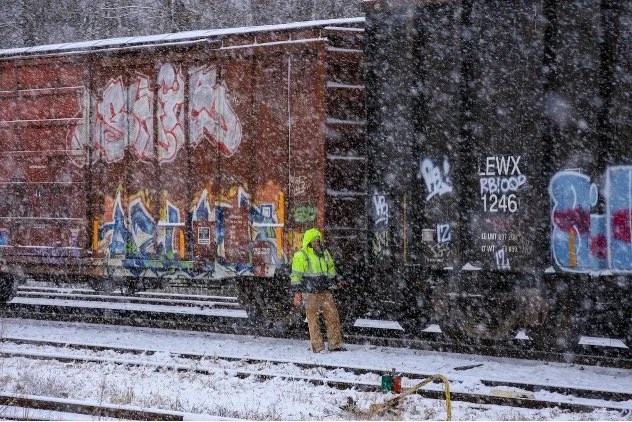
If you live around the Northeast, you undoubtedly know that this winter has been both cold and snowy. Given the harsh conditions, many museum and preservation groups use the winter months to perform indoor restoration, maintenance and other projects. On the flip side, virtually all revenue railroads (including freight and passenger rail) keep trains moving on the same 24/7/365 schedule as the rest of the year - albeit with some additional considerations and challenges.
What does railroading in the winter look like?
For those who brave the elements and keep rolling along, there are some important considerations. First, let’s start with gear recommendations for those working outdoors in train, maintenance, signal and other railroad service:
Essential Safety & Personal Gear
Layering System: Wear at least three layers, including a water-resistant/windproof outer shell to manage temperature changes.
Foot Protection: Use boots with insulated, waterproof material and non-slip treads, adding ice spikes (traction aids) for walking on frozen surfaces.
Gloves/Visibility: Wear insulated, high-visibility gloves with a good grip.
Use Hand Warmers: Put them in gloves, socks, or in pockets to keep batteries for radios warm.
Stay Warm/Hydrated: Take frequent, short breaks in heated areas to avoid hypothermia and frostbite.
Power up: Bring spare batteries for radios, lanterns, and other essential equipment as cold weather can deplete battery life more quickly.
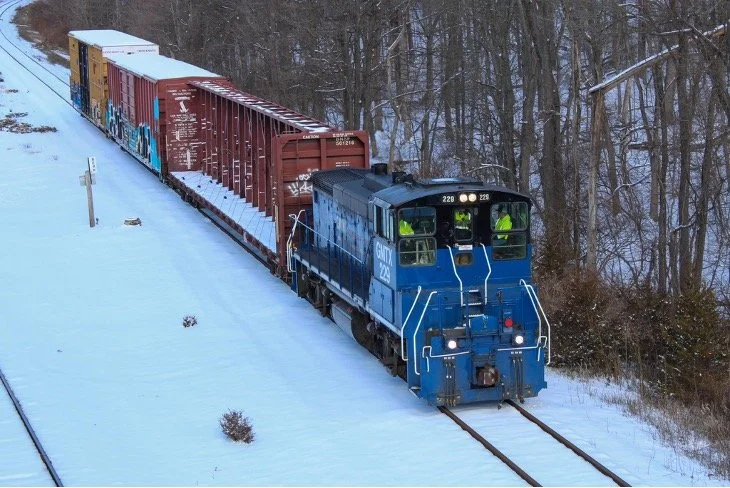
With employees safe from the elements, railroads also have to consider safety concerns with operations and equipment in the harsh weather:
Operations & Maintenance Tips
Clear Infrastructure: Proactively clean switches, derails, frogs, and flangeways of snow and ice, ensuring at least 1.5 inches of space in flangeways.
Switch Care: Ensure switch points are completely free of ice and touch the rail with zero gap when closed. Double check those points for every move and be sure to have a shovel and switch broom on board!
Inspect Rail: Regularly check for broken rails caused by cold weather.
Snow Removal: Clear snow at least 12 feet away from tracks and never push it between the wheels of standing equipment, as it can freeze.
Equipment Care: Monitor for airbrake issues in extreme cold and consider adding extra locomotives to maintain air pressure. Take extra care to inspect components of air brake systems for cold-related defects as well as make sure air connections remain tight and free of ice and moisture by regularly inspecting and blowing out lines as needed.
Walking Hazards: Walk slowly with small steps or shuffle on ice, and use handrails, grab irons, etc. whenever possible.
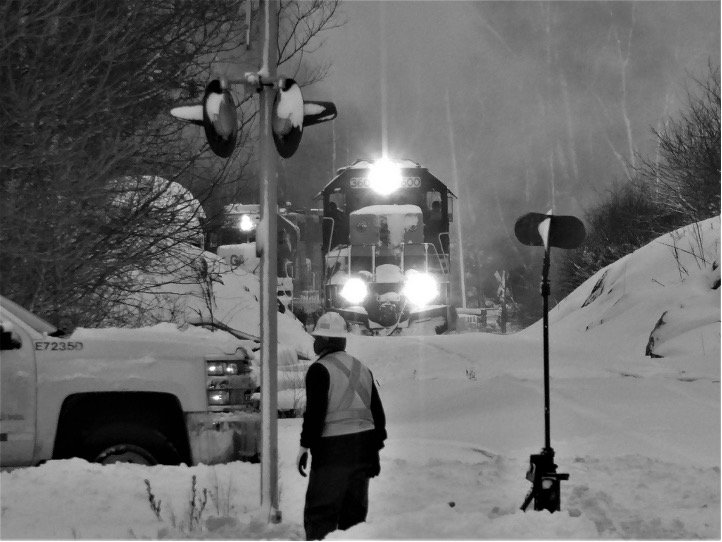
This is by no means an exhaustive list of winter railroading tips and tricks, but hopefully it is a helpful starting point to keep folks rolling smoothly and safely into the warmer months. If you are considering entering the rail industry, it is important to remember that you have to be prepared to keep trains moving regardless of the weather! The crew at NGR looks forward to sharing more exciting updates in the coming months, until then, keep steaming ahead!
Best wishes,
The NGR Crew
